
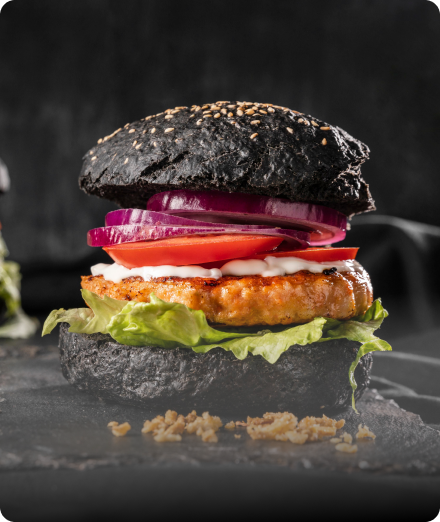
Food lovers around the world are always searching for dishes that offer the perfect balance of flavors and textures. One of the most satisfying combinations in modern cuisine is the contrast between creamy and crispy elements. When a rich and smooth ingredient meets a crunchy, golden texture, the result is a dish that feels both luxurious and comforting.
Among the many ingredients used to create this balance, ricotta cheese has become one of the most popular choices for chefs and home cooks. Its light, creamy texture and mild flavor make it incredibly versatile. Whether used in appetizers, main courses, or even desserts, ricotta has the unique ability to enhance crispy foods and create a satisfying contrast.
In many modern kitchens, chefs focus on texture as much as flavor. A dish that combines creamy ricotta with crispy bread, roasted vegetables, or crunchy toppings offers an experience that feels complete and indulgent. The creamy ricotta perfectly balances the crisp textures, creating harmony on the plate and making each bite memorable.
This article explores how ricotta cheese transforms crispy dishes, why this texture contrast is so appealing, and how chefs and home cooks use this technique to create flavorful meals that stand out in today’s food culture.
Understanding the Magic of Ricotta Cheese
Ricotta cheese is known for its soft, creamy consistency and delicate taste. Unlike many other cheeses, ricotta is not aged. It is fresh, light, and slightly sweet. This makes it an excellent companion for foods that have bold textures and strong flavors.
Originally popular in Italian cuisine, ricotta has now become a global favorite. Restaurants around the world use it in dishes that combine crunchy bread, roasted vegetables, grilled meats, and even desserts.
The reason ricotta works so well in these dishes is its ability to soften strong textures. When placed on crispy toast or baked vegetables, the creamy layer smooths the overall bite while still allowing the crunchy elements to shine.
Food experts often describe ricotta as a “texture bridge.” It connects different components in a dish and ensures that the flavors and textures complement each other rather than compete.
Why Texture Matters in Modern Cuisine
Many people think flavor is the most important part of a dish. While flavor is essential, texture plays an equally important role in how we experience food.
When we eat something crunchy, our brains receive signals that the food is fresh and satisfying. Crunchy textures also create excitement during eating because each bite feels lively.
Creamy textures, on the other hand, provide comfort. They feel rich, smooth, and indulgent. When these two elements come together, the result is a balanced eating experience.
Chefs often design dishes that combine multiple textures. A plate that includes crispy edges, creamy centers, and soft layers feels more interesting than a dish that is only one texture.
Ricotta cheese plays a key role in creating this balance. Its creamy consistency helps soften crunchy foods while enhancing their flavor.
Crispy Bread and Creamy Ricotta: A Perfect Pair
One of the most famous ways to enjoy ricotta is on crispy bread. Toasted bread creates a golden crust that delivers a satisfying crunch. When creamy ricotta is spread on top, the contrast becomes immediately noticeable.
This simple combination has become popular in cafes, restaurants, and home kitchens because it is both easy and elegant.
Crispy bread acts as a strong base. Its crunchy surface supports the soft ricotta, allowing the cheese to melt slightly into the warm toast. The result is a bite that begins with crunch and ends with a smooth, creamy finish.
Many chefs add toppings such as roasted vegetables, herbs, honey, or olive oil to elevate the dish further. However, even in its simplest form, crispy bread with ricotta remains one of the most satisfying combinations in modern food culture.
Roasted Vegetables with Ricotta
Roasting vegetables transforms their texture. When vegetables are roasted at high heat, their edges become crispy while their interiors remain tender.
Adding ricotta to roasted vegetables creates an exciting contrast. The crispy caramelized edges of the vegetables meet the cool creaminess of the cheese, making every bite complex and delicious.
This pairing works particularly well with vegetables that develop deep flavors when roasted. Squash, tomatoes, peppers, and eggplant all benefit from this combination.
The creamy ricotta acts as a gentle background flavor that highlights the roasted taste of the vegetables without overpowering them.
The Role of Ricotta in Gourmet Cooking
In professional kitchens, ricotta is often used as a finishing ingredient. Chefs place small portions of the cheese on top of dishes right before serving.
This technique allows the ricotta to keep its fresh texture while interacting with warm or crispy components on the plate.
For example, a crispy vegetable tart might be served with dollops of ricotta on top. The tart provides a crunchy base, while the ricotta softens the overall texture and adds a creamy note.
This approach is popular because it creates contrast without requiring complicated cooking techniques.
Crispy Pasta and Ricotta
Another creative use of ricotta appears in modern pasta dishes. Some chefs fry or bake pasta sheets to create crunchy elements that resemble chips or crackers.
When these crispy pasta pieces are paired with ricotta, the result is a surprising and enjoyable combination.
The pasta delivers a crunchy bite, while the ricotta provides a creamy contrast. This balance turns a simple pasta dish into something that feels sophisticated and restaurant-quality.
Many food enthusiasts enjoy this combination because it transforms familiar ingredients into a new culinary experience.
Ricotta in Pizza and Flatbreads
Pizza is already known for its crispy crust and melted cheese. Adding ricotta introduces a new layer of texture.
Instead of melting completely like mozzarella, ricotta maintains its soft and creamy structure even when heated slightly.
When small portions of ricotta are placed on a crispy pizza crust, they create pockets of creamy richness that balance the crunchy base.
This technique has become popular in artisan pizzerias because it makes each slice feel luxurious while maintaining the crispness of the crust.
Ricotta and Fried Foods
Fried foods are famous for their crisp textures. However, they can sometimes feel heavy or dry without a creamy element.
Ricotta solves this problem by adding moisture and richness. When served alongside fried vegetables, crispy potatoes, or fried dough, ricotta provides a smooth contrast that enhances the overall dish.
Some chefs blend ricotta with herbs or spices to create a flavorful dipping sauce. The creamy sauce complements the crunch of fried foods and makes them more enjoyable.
Ricotta in Desserts with Crispy Layers
Ricotta is not limited to savory dishes. Many desserts use ricotta to balance crunchy elements such as biscuits, pastry layers, or caramelized nuts.
In these desserts, the creamy cheese provides a light texture that prevents the dish from feeling too heavy.
When paired with crispy pastry shells or crumbly toppings, ricotta creates a dessert that feels elegant and satisfying.
This combination is often used in modern bakeries and dessert cafes where chefs experiment with texture and flavor.
Why Consumers Love Creamy and Crispy Combinations
Food psychology research suggests that people enjoy meals with multiple textures because they create a more engaging eating experience.
Crunchy foods provide excitement and stimulation, while creamy foods offer comfort and richness.
When both textures appear in a single dish, the result feels balanced and complete.
Ricotta cheese is especially effective in this role because its flavor is mild. This allows it to support other ingredients without dominating the dish.
The Rise of Ricotta in Modern Food Trends
In recent years, ricotta has become a trending ingredient in many global food cultures.
Restaurants, cooking shows, and food blogs frequently highlight dishes that feature ricotta with crispy components.
This trend reflects a broader movement toward simple ingredients prepared in creative ways.
Instead of complicated recipes, many chefs focus on combining textures and flavors that naturally complement each other.
Ricotta fits perfectly into this philosophy because it enhances dishes without requiring heavy processing or complex preparation.
Cooking Techniques That Enhance Texture
Creating a dish that combines creamy and crispy textures requires careful cooking techniques.
Chefs often use high heat roasting, baking, or frying to achieve the desired crispness. These methods create golden surfaces and crunchy edges.
At the same time, ricotta is usually added at the end of cooking. This ensures that the cheese remains creamy and fresh rather than melting completely.
The timing of these steps is essential for achieving the perfect texture balance.
The Simplicity of Ricotta-Based Dishes
One reason ricotta dishes have become so popular is their simplicity.
Even a basic meal can feel special when ricotta is paired with crispy elements. A slice of toasted bread, a drizzle of olive oil, and a spoonful of ricotta can create a dish that feels both comforting and elegant.
This simplicity appeals to both professional chefs and home cooks who want to create impressive meals without complicated ingredients.
Health Appeal of Ricotta Cheese
Many people also appreciate ricotta for its nutritional qualities. Compared with some other cheeses, ricotta is relatively light and contains beneficial nutrients such as protein and calcium.
Because it is fresh and less processed than aged cheeses, it often feels lighter and easier to incorporate into balanced meals.
When combined with roasted vegetables, whole grains, or crispy baked foods, ricotta can be part of a satisfying and wholesome dish.
Presentation and Visual Appeal
Food presentation is another reason ricotta works so well with crispy dishes.
The bright white color of ricotta contrasts beautifully with golden brown crispy textures. This visual contrast makes the dish look appealing and appetizing.
Many chefs use ricotta strategically when plating food. A spoonful placed on top of a crispy element creates a striking visual effect that attracts attention.
In the world of food photography and social media, this visual appeal has helped ricotta dishes become even more popular.
Ricotta in Global Cuisine
Although ricotta is traditionally associated with Italian cooking, it now appears in many international dishes.
Chefs in different countries use ricotta with local ingredients to create unique combinations.
For example, it might be paired with grilled vegetables in Mediterranean dishes or with crispy flatbreads in modern fusion cuisine.
This versatility shows how a simple ingredient can adapt to different culinary traditions while still maintaining its signature creamy texture.
The Future of Texture-Focused Cooking
Food trends continue to evolve, but texture will always remain a central element of great cooking.
As chefs experiment with new ingredients and techniques, the balance between creamy and crispy textures will likely remain a key focus.
Ricotta cheese will continue to play an important role in this movement because it provides a natural way to soften crunchy foods while enhancing flavor.
The creamy ricotta perfectly balances the crisp textures, creating dishes that feel satisfying, elegant, and memorable.
Final Thoughts
In modern cuisine, the relationship between texture and flavor is more important than ever. Dishes that combine different textures create deeper and more enjoyable eating experiences.
Ricotta cheese stands out as one of the best ingredients for achieving this balance. Its smooth, creamy consistency complements crispy foods in a way that feels both natural and indulgent.
From toasted bread and roasted vegetables to pizzas and desserts, ricotta enhances countless dishes by providing a soft counterpoint to crunchy textures.
As food lovers continue exploring new ways to enjoy their meals, the timeless combination of creamy ricotta and crisp textures will remain a favorite in kitchens around the world.
The magic lies in the contrast. The crisp bite of roasted or toasted ingredients meets the gentle creaminess of ricotta, creating a harmony that delights the senses and turns simple food into an unforgettable experience.